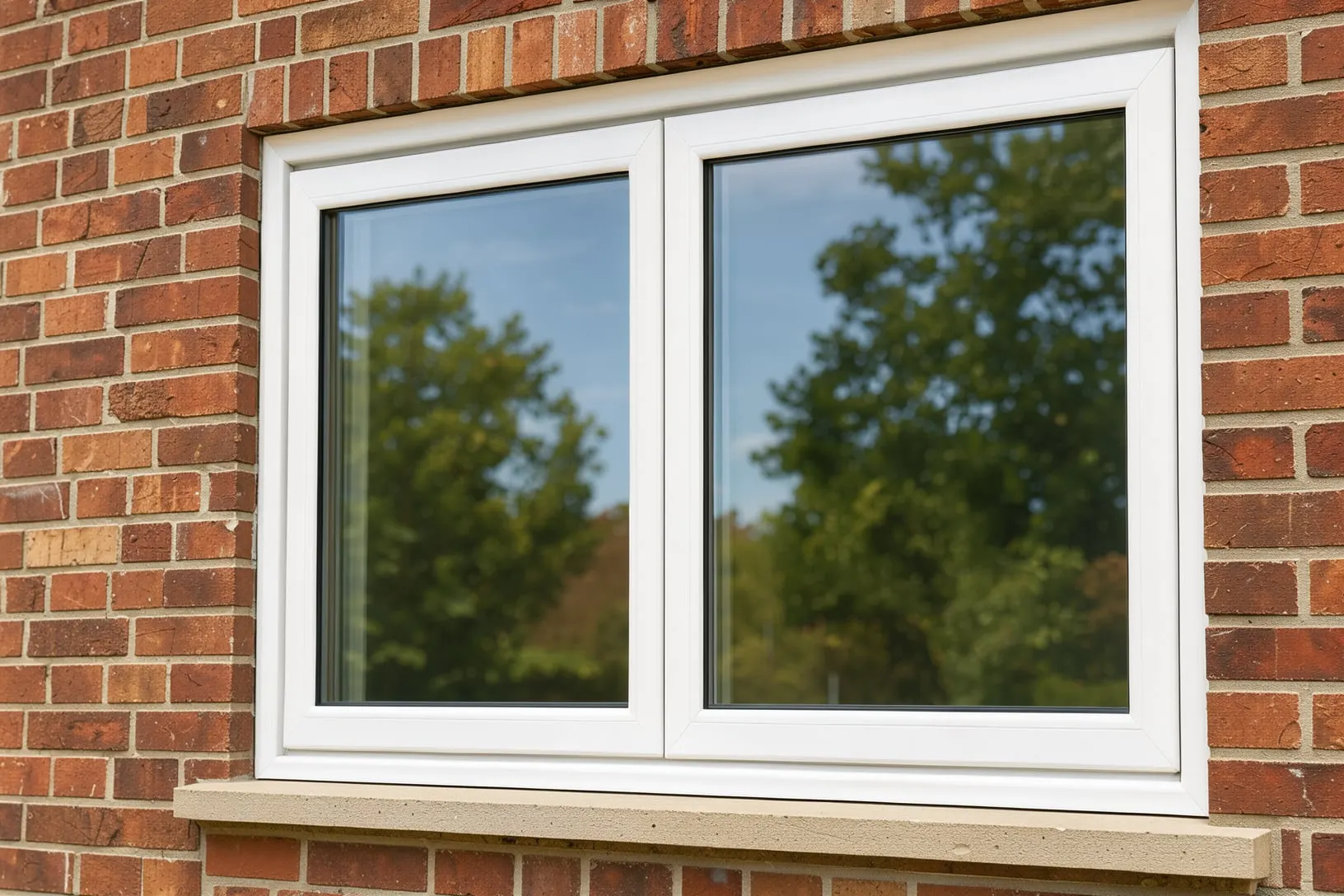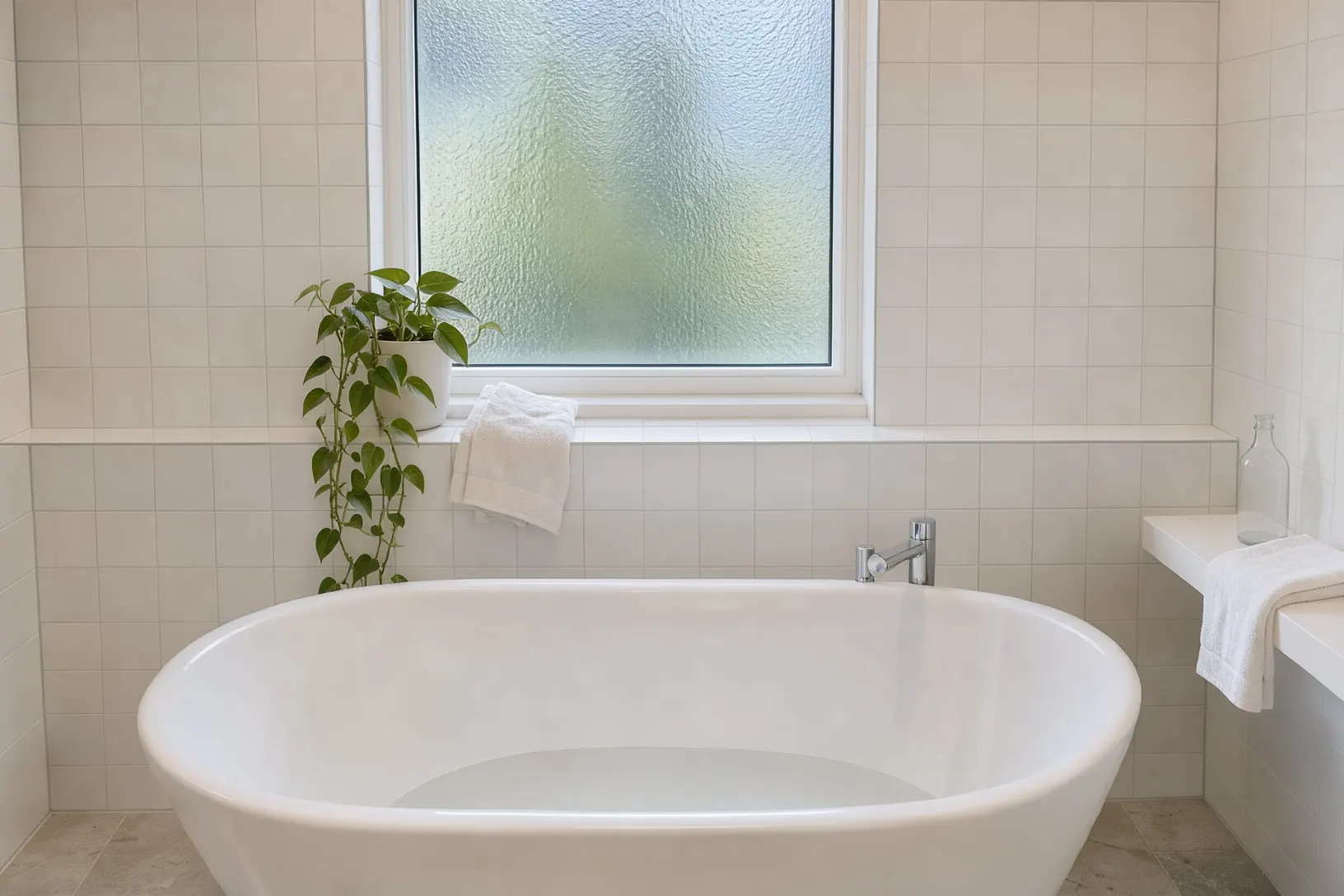
Triple glazing is standard in Scandinavia and increasingly common here. It is better at keeping heat in. Whether it is better for your house depends on what you are trying to fix.
How each is built
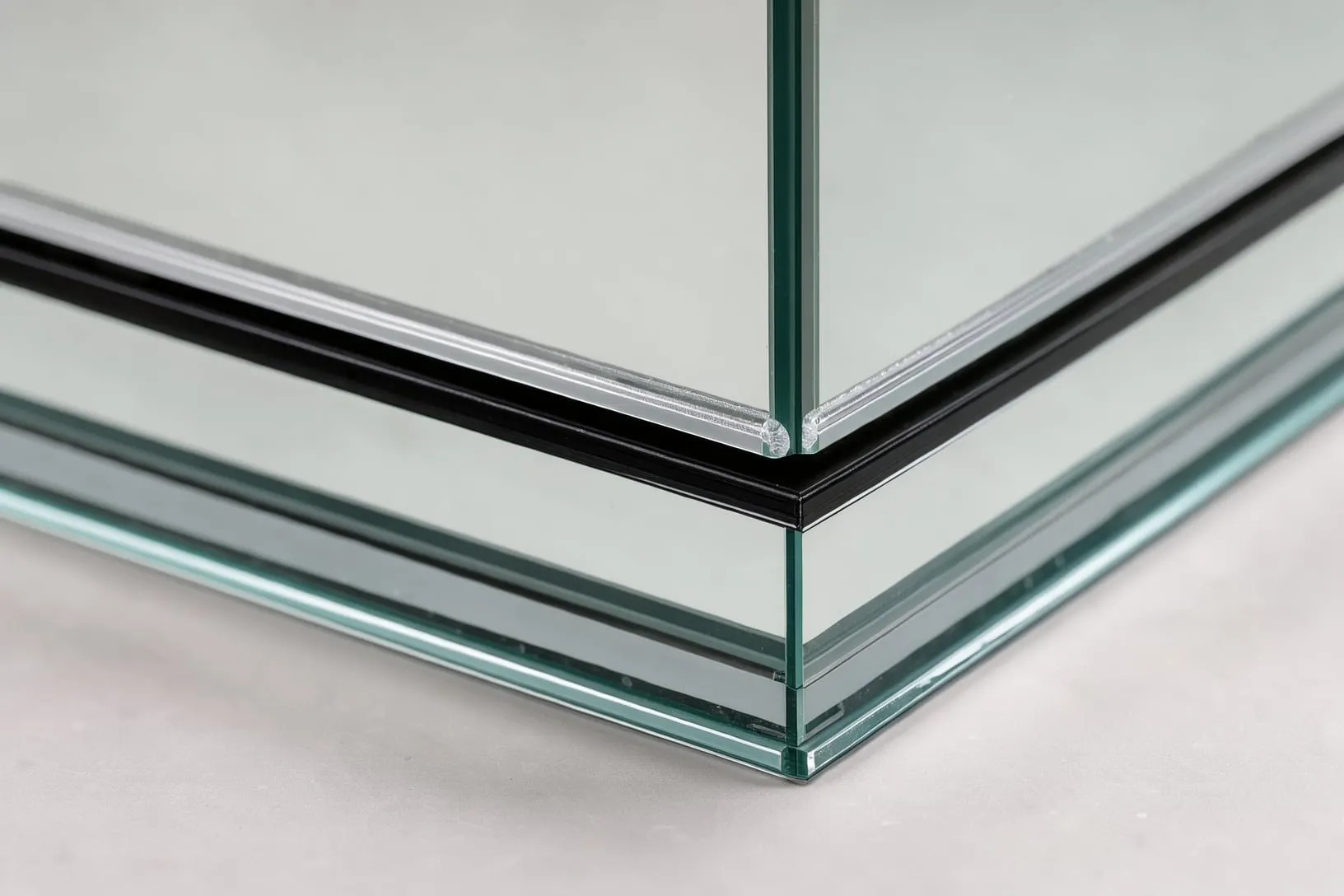
Our double-glazed unit is 28mm thick: two panes with a 20mm argon-filled cavity between them, a low-emissivity coating on the inner pane to reflect heat back into the room, and a warm-edge spacer bar around the perimeter. A triple-glazed unit is 36mm thick, with a third pane, a second cavity and a second coating.
The numbers
| A-rated double glazing | Triple glazing | |
|---|---|---|
| Unit thickness | 28mm | 36mm |
| Typical window U-value | Around 1.2 to 1.4 W/m²K | As low as 0.8 W/m²K |
| Energy rating | A | A+ and above |
| Weight of glass | About 20kg per m² | About 30kg per m² |
| Free heat from winter sun | Higher | Slightly lower |
Where triple glazing earns its keep
- North-facing and exposed elevations, which lose heat all winter and gain little from the sun
- Large panes beside seating, where the inner glass of a triple unit stays noticeably warmer and the cold downdraught disappears
- Bedrooms, where a steadier temperature is welcome
- New builds and deep retrofits that are aiming for very low heat demand
Where double glazing is the better buy
If you are replacing old single glazing or early double glazing, most of the improvement comes from the move to a modern A-rated window. The further step to triple glazing is real but smaller, and it costs more. On south-facing windows a double-glazed unit lets in more of the low winter sun, which offsets some of the difference.
Weight matters too. Very large opening sashes, and some slim aluminium sections, are better with double glazing to keep hinges and gearing working comfortably within their limits.
A word about noise
A third pane does not automatically make a window quieter. Sound insulation depends more on the thickness of the glass and on using panes of different thicknesses than on the number of panes. If traffic or aircraft noise is the problem, ask us about acoustic laminated glass, which can outperform standard triple glazing in a double-glazed unit.